

Change of Use Planning Permission and Office-to-Residential Conversions
Short answer: changing a building’s use, for example from office to homes, usually needs either full planning permission or prior approval under permitted development. In England, Class MA permitted development allows many commercial, business and service (Class E) buildings to convert to residential through a prior approval process, subject to conditions and exclusions.
Book a free 30-minute consultation
Use classes in brief
Buildings are grouped into use classes. Class E covers commercial, business and service uses, including offices, shops, cafés and gyms. Class C3 covers dwelling houses. Moving between classes, or into certain uses outside them, needs consent unless a permitted development right applies.
Class MA: Class E to residential
- Applies to buildings in Class E use, subject to qualifying criteria
- Uses a prior approval application rather than full planning permission
- The council assesses matters such as transport, contamination, flooding, noise, natural light to habitable rooms, and in conservation areas the impact of ground-floor changes
- New homes must meet nationally described space standards
- Listed buildings and certain protected areas are excluded
Rules and thresholds change over time, so check the current regulations or ask us before buying a site.
When full planning permission is better
Where the building doesn’t qualify, or you want to extend, alter the façade substantially or add storeys, a full planning application may give a better scheme and more value. We compare both routes in a feasibility study.
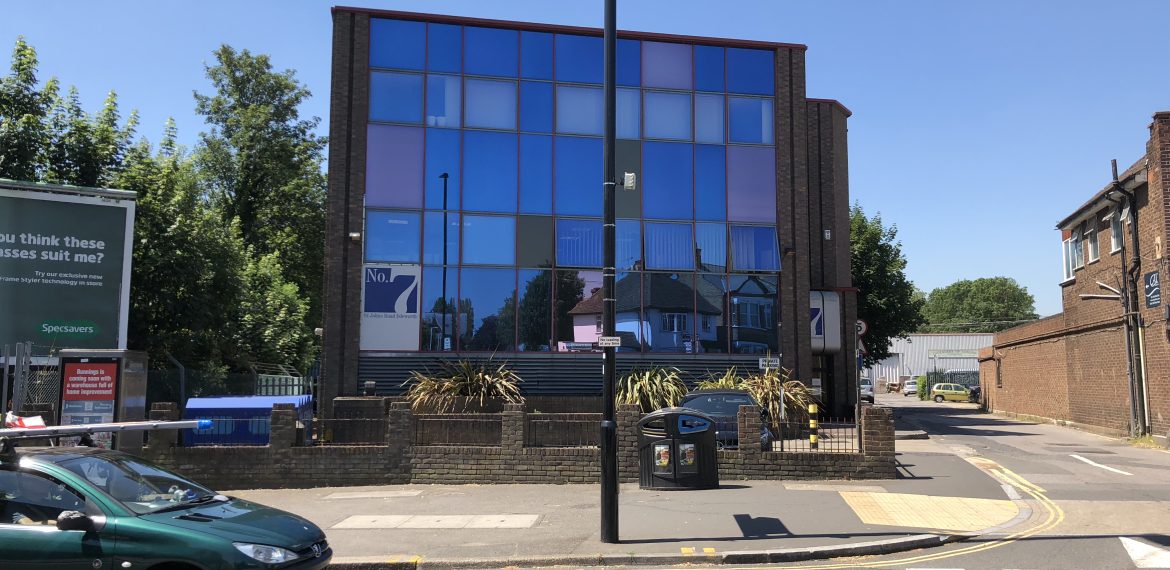
Case study: Coomb House, Isleworth
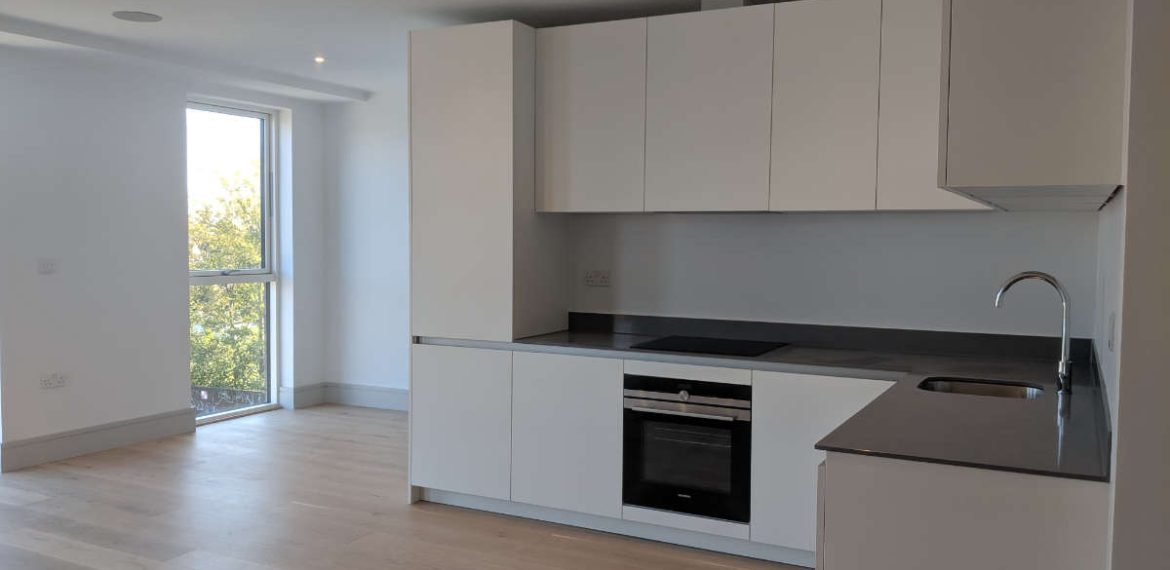
Coomb House, delivered in collaboration with Silverline Architects, converted office space to residential use. The key lessons: test the natural light and layout early, plan for space standards from day one, and resolve fire safety and acoustic separation before the design is fixed.

Our change of use services
Feasibility and planning strategy, prior approval and planning applications, residential layouts, building regulations and Principal Designer support. See our commercial architects page.
Do you need planning permission for a change of use?
In most cases a change of use needs either full planning permission or prior approval under a permitted development right. Some changes within the same use class (for example between different Class E uses) do not need consent at all. Before buying, check the current lawful use of the building, any planning conditions or Article 4 Directions that remove permitted development rights, and whether the site is listed or in a conservation area.
Prior approval vs full planning permission
| Prior approval (Class MA) | Full planning permission | |
|---|---|---|
| Scope | Change of use only, within strict criteria | Change of use plus extensions, façade changes or extra storeys |
| What the council assesses | Set matters such as light, noise, transport, contamination and flooding | The full planning merits of the scheme |
| Best for | Fast, lower-risk conversions of qualifying buildings | Maximising value, or buildings that do not qualify |
On many sites the best strategy combines both: secure prior approval first to de-risk the investment, then apply for full planning to add value. This is the approach described in the Coomb House case study below.
Further reading by Lucia Piccinini
- Beyond PDR: Unlocking ROI with Planning Strategy, Connectivity and Design (Property Investor News, August 2025)
- Cambio di destinazione d’uso da commerciale a residenziale (Italian) (Fairness Magazine, November 2025)
- The Planning Dilemma: apply for planning or buy a site with consent? (Property Investor News, October 2025)
Related: planning and building regulations drawings · Principal Designer services.
Frequently asked questions
How long does prior approval for change of use take?
The council normally has 56 days to decide a Class MA prior approval application. Full planning applications usually take 8 weeks for minor schemes and 13 weeks for major ones, often longer in practice.
Do I need planning permission to change the use of a building?
Usually, unless a permitted development right, such as Class MA for Class E to residential, applies. Even then, prior approval is normally needed.
What is Class MA permitted development?
A right allowing many Class E commercial buildings to convert to homes via prior approval, subject to criteria and council checks on issues like light, noise and flooding.
Can a listed building use Class MA?
No. Listed buildings are excluded, so a full planning application and listed building consent are needed.
Talk to a RIBA Chartered architect. Book a free 30-minute consultation and we will tell you honestly what is achievable, what approvals you need and what it is likely to cost.
Book a free 30-minute consultation · +44 (0)7760 639 338 · hello@luciapiccinini.com
Lucia Piccinini is the founder of LP ARKinnovation, a RIBA Chartered Practice working across London and beyond, including Chiswick, Hammersmith, Fulham, Chelsea, Kensington, Westminster, Tower Hill, Islington, Brentford, Hounslow, Richmond, Windsor and Maidenhead. ARB registered architect (085370D), RIBA Chartered Member and registered with the Ordine degli Architetti in Italy, with more than 15 years of practice across London, Florence and Milan. She writes a monthly column for Property Investor News, contributes to Fairness Magazine and speaks at property industry events. Press, articles and podcasts.
